
How to organize the ideal team building activity during a company seminar?

More and more companies are incorporating team-building activities into their seminars, whether to unite teams, boost cohesion, or strengthen employee engagement. A well-organized seminar combines work sessions, collaborative workshops, and powerful group experiences that leave a lasting impression on participants. But for the impact to be truly positive, team building must be carefully planned, integrated, and aligned with the seminar's objectives. Far from being improvised or standardized activities, it becomes a genuine strategic lever for company culture. Here's a complete guide to organizing a team-building event perfectly integrated into your seminar.

Why integrate team building into a seminar?
Team building now plays a central role in the life of organizations. In a context marked by the transformation of work methods, the rise of remote work, and the need to maintain cohesion despite distance, it becomes an essential tool for revitalizing team dynamics. When integrated into a seminar, its impact is amplified: employees are already gathered, open-minded, available to reflect together, and ready to experience something different. Combining team building with the structured framework of a seminar thus strengthens the meaning of the event, creates synergies, and boosts internal motivation.
Strengthening cohesion among employees
A group activity creates a space for exchange, trust, and solidarity, fostering better daily operations.
Giving meaning to the seminar
Team building illustrates the company's values: collaboration, active listening, creativity, and collective success.
Developing soft skills
Communication, leadership, stress management, and problem-solving: skills boosted by tailored activities.
Preparing Your Team Building Event: Clarifying Objectives and Tone
The success of a team building event hinges first and foremost on rigorous preparation. Too often, companies choose an activity "by default," without connecting it to the current challenges. Yet, every team goes through different phases: integrating new talent, the need to remotivate, strategic alignment, resolving tensions, celebrating a success… This is why the first step is to precisely define the role of team building within the seminar. This clarification will allow you to select the most relevant activities and create a coherent program.
Identifying the Team's Needs
Internal atmosphere? Motivation? Conflicts? Lack of cohesion? The activity must address a real issue.
Setting Clear Objectives
Strengthening team cohesion, creativity, strategic thinking, relaxation, pushing boundaries… The objective guides the entire organization.
Define the desired tone
Playful, sporty, collaborative, immersive, sensory, creative… Each tone conveys a different message.


Choosing the Right Activity: The Key to Successful Team Building
Choosing the right activity is often the most delicate step. It must take into account the defined objectives, the participants' profiles, the seminar's timing, and the chosen venue. An activity that is too technical can discourage the team; an activity that is too simple or too "been there, done that" risks lacking impact. The right balance lies in relevance, collaboration, and originality. The more the activity aligns with the team's expectations, the more lasting its effect will be.
Classic but Effective Collaborative Activities
Escape games, group construction, team-building activities, problem-solving workshops.
Sports or Outdoor Activities
Hiking, nature challenges, team-building games, orienteering: perfect for energizing teams.
Creative Activities
Cooking workshops, corporate theater, artistic creation, collaborative music.
High-end experiential activities
Tastings, meetings with artisans, hot air balloon rides, and culinary workshops: ideal for premium seminars.
Integrating team building into the seminar schedule
For team building to be effective, it must be integrated at the right time during the seminar. Too early, and participants aren't yet ready to fully engage; too late, and fatigue and distractions risk diminishing its impact. The overall pace should be designed to alternate between work sessions, breaks, and activities. The program's fluidity is essential: team building should never feel like an interruption to the seminar, but rather an enrichment.
The best time of day
Late morning or early afternoon: the times when attention is most readily available.
The ideal duration
Between 1.5 and 3 hours, depending on the objective. Less: too short. More: risk of loss of engagement.
The Importance of Transitions
Debriefing, putting things into perspective, and connecting them to the seminar topics are essential for creating meaning.
Logistics, Organization, and Conditions for Success
The success of a team-building event also relies on impeccable organization. Logistics are often underestimated: equipment, weather, transportation, accessibility, supervision… A single overlooked detail can compromise the experience and damage the event's image. A good organizer anticipates, verifies, and coordinates every element. Comfort, safety, and a smooth flow must be central to the plan so that participants feel both confident and fully engaged.
The Role of Specialized Providers
Professionals guarantee a smooth, safe, and impactful experience.
The Importance of the Venue
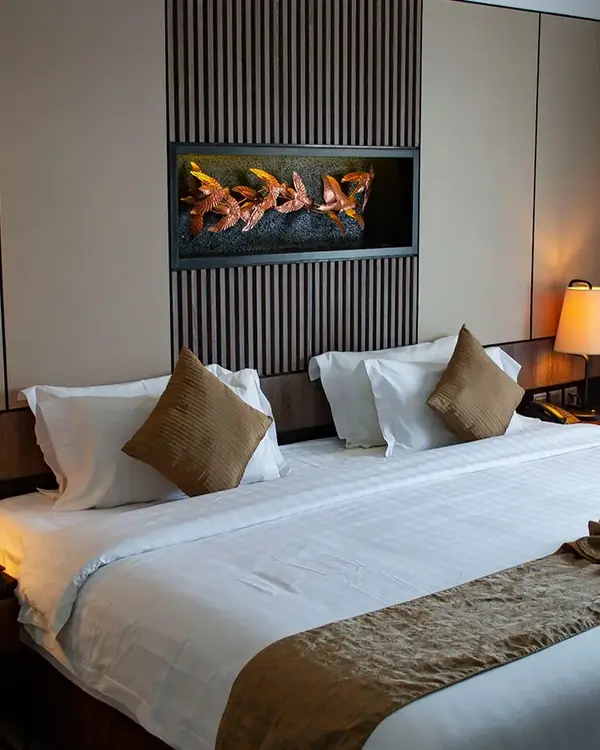
A well-equipped hotel, adaptable spaces, and suitable outdoor areas: the venue is a key factor.
Considering All Profiles
Athletes, introverts, seniors, and newcomers: offer an inclusive and adaptable activity.
Conclusion: Team building, a key driver for a successful seminar
A well-designed team building activity transforms a simple seminar into a powerful and memorable event. It strengthens bonds, clarifies shared objectives, boosts motivation, and offers a valuable respite in an often busy professional schedule. The seamless integration of the activity within the seminar, the quality of the chosen venue, the professionalism of the facilitators, and the relevance of the experience make all the difference. More than just a fun activity, team building becomes a catalyst for cohesion and a lasting driver of team dynamics.